
Lentils are also rich in thiamin, phosphorus, iron, potassium, copper, and manganese. They are a good source of niacin, vitamin B6, pantothenic acid, magnesium, and zinc. Lentils also provide smaller amounts of vitamins C and K, riboflavin, calcium, and selenium. There are more than 18 grams of starch in a single serving of lentils, providing the body with energy.
Finally, for anyone with dietary restrictions, yellow lentils are a reliable food choice. They provide a healthy, allergy-friendly ingredient option that supports various dietary needs without sacrificing flavor or satisfaction. In my pantry, yellow lentils are an essential item due to their versatility and health benefits. Originating from India, these vibrant legumes are not only a staple in Indian cuisine but also a favorite in my kitchen for their ease of preparation and nutritional value.
Avoid These 3 Costly Cooking Mistakes

By Brittany Lubeck, MS, RDNLubeck is a registered dietitian and freelance nutrition writer with a master’s degree in clinical nutrition. You should avoid lentils if you are allergic to them, their ingredients, or pulses in general. Seek immediate medical attention if you have a severe allergic reaction, which may include itching, hives, and shortness of breath. Evidence shows that lentils and other pulses increase satiety (the feeling of fullness) during or after a meal.
Anti Nutrients In Lentils
The fiber content in yellow lentils is known to support digestive health, contributing to regular bowel movements and fostering a healthy gut environment. With about 9 grams of fiber per cooked half-cup, they are an excellent addition to any meal aiming for digestive well-being. Moreover, these lentils boast a protein content of around 12 grams per same serving size, providing a plant-based protein source that’s necessary for muscle repair and growth. Including yellow lentils in recipes is a simple way to up the protein and fiber content in meals. These lentils come in various forms, including whole, split, and pre-cooked, and can be used in a range of dishes such as soups, stews, salads, and curries. Lentils are an important and versatile part of the legume family, often used in endless ways to make nutritious and delicious meals.
Try the Meal Planner
As a reference, foods with a GI of 55 or below are considered low-glycemic foods. The following lentil nutrition information is provided for 1 cup (198g) of cooked lentils with no added salt by the USDA. Lentils are an inexpensive, versatile, easy-to-find source of healthy carbohydrates. These lens-shaped pulses—the seeds of legumes—make a nutritious base for soups, salads, and many other dishes.
Lentils: Types, Nutrition, and Cooking Guide
By understanding their nutritional profiles, culinary uses, and health benefits, you can make an informed decision that suits your lifestyle and dietary goals. Ultimately, the most important thing is to enjoy lentils as part of a varied and healthy eating habit, benefiting from their unique qualities and the multitude of dishes they can enhance. Yellow lentils are often considered more versatile than red lentils in cooking, due to their firmer texture and milder flavor. Yellow lentils can be used in a wide range of dishes, from soups and stews to curries and salads. They can also be used as a substitute for meat in dishes such as veggie burgers and meatballs.
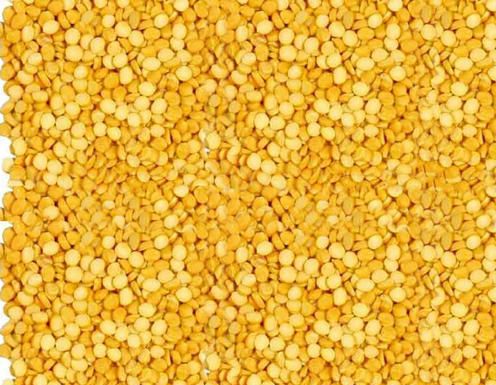
[3,4] Learn more about the health-related research on the broader category of legumes. Yellow lentils, also known as Moong Dal or yellow split lentils, are legumes commonly used in South Asian, Middle Eastern, and Mediterranean cuisines. They are small, round, and yellow in color, providing a mild, earthy flavor. Nutritionally, yellow lentils are an excellent source of plant-based protein, dietary fiber, and essential micronutrients such as folate, iron, and magnesium. Yellow lentils are a small, round, edible pulse (legume) that has a mild, earthy flavor and soft texture. They are one of the most popular types of lentils and are often used in dishes such as soups, stews, and salads.
Approaches and Differences: Stovetop, Pressure Cooker, and Simmer-Drain Methods
The yellow lentils create a creamy interior that contrasts beautifully with the golden, crispy exterior. Unlike traditional falafel made with chickpeas, these require no overnight soaking. Dried yellow lentils last indefinitely when stored properly, though I aim to use them within a year for peak flavor. I keep mine in glass jars with tight-fitting lids, stored in my pantry away from direct sunlight and heat.
They are a great source of protein, fiber, and essential vitamins and minerals. However, there are some myths and misconceptions about yellow lentils that need to be addressed. In this section, we will refute common myths regarding yellow lentils. Besides preventing constipation, studies now show that dietary fiber is linked to improved immunity and digestive health. Diets high in fiber are correlated with lower instances of heart disease, cancer, diabetes, arthritis and various digestive disorders. One standout feature of lentils is their high protein content, over 25%, making them an excellent plant-based alternative to meat.
Lentils are a good source of many nutrients, including macronutrients and micronutrients. The edible seed of a lentil contains about 60% carbohydrates and 25% protein. Yellow lentils are small, lens-shaped seeds that belong to the legume family.
Lentils Protein Value:
A typical serving size of cooked yellow lentils is ½ cup, which contains around 115 calories, 9 grams of protein, and 7.5 grams of fiber. Yellow lentils are not ideal for a strict keto diet due to their carbohydrate content. One cup of cooked yellow lentils contains about 39 grams of carbohydrates, including 15 grams of fiber. Yellow lentils and red lentils are nutritionally similar, both offering high protein and fiber content. Yellow lentils have a slightly nuttier flavor and take longer to cook compared to red lentils, which cook faster and are softer in texture.
- Additionally, yellow lentils can be sprouted and used as a healthy and nutritious addition to salads and other dishes.
- They have the third-highest level of protein by weight of any legume or nut, coming just after soybeans and hemp seeds.
- They’ve saved money, improved our health, and expanded our culinary repertoire.
- If you buy them ready-to-eat, read the food label to see if fats, salts, and artificial ingredients have been added.
- There is evidence that eating more lentils may improve certain symptoms and outcomes for people with PCOS.
- Red lentils, in particular, are often grown in regions with low rainfall, making them a more drought-resistant crop.
May Help Decrease Cholesterol
These small, disk-shaped lentils have a mild, slightly sweet, and earthy flavor. Split yellow lentils are a great source of plant-based protein, fiber, and essential nutrients. Discover the versatility of split yellow lentils in your cooking and explore nutritious and flavorful meal options. Yellow lentils, also known as Moong Dal, are a type of legume that is incredibly versatile and nutritious. They are small, disc-shaped, and boast a vibrant yellow color when split.
However, the American Institute for Cancer Research reports convincing evidence that lentils and other pulses may reduce the risk of colorectal cancer. Yellow lentils have a unique and delicious flavor, and they can be prepared in a variety of ways. However, it is important to note that gas and bloating can occur with any type of legume, not just yellow lentils. The reason for this is that legumes contain oligosaccharides, a type of carbohydrate that our bodies cannot digest. Yellow lentils are an excellent source of dietary fiber, making them an effective natural remedy for digestive problems.
Non-Starchy Vegetables List: Benefits & How to Add More to Your Diet
Trypsin is an enzyme involved in digestion, and phytate reduces the bioavailability of dietary minerals. The type of lentils you should buy depends on what you’re using them for. Today, Canada, India, Turkey, Australia and the U.S. provide the world with the highest amounts of exported lentils.
A Brief Introduction To Yellow Lentils
You’ll see tiny stems emerging from lentils if you buy this type of reviews on unimeal pulse. If you take this medication, speak to your healthcare provider to get personalized advice regarding a potential interaction. If you suspect you have an allergy to legumes or lentils, speak with your healthcare provider to get a proper diagnosis.