
Gambling’s social impact how collective behavior shapes communities
The Role of Gambling in Social Interactions
Gambling has long been a focal point for social interactions, serving as a communal activity that brings people together. In various cultures, casinos and gambling establishments are often seen as social hubs where individuals can engage in both recreational activities and social bonding. The excitement and unpredictability of gambling foster an environment where conversations flourish, relationships develop, and you can play Penalty Shoot Out with friends, strengthening community ties.
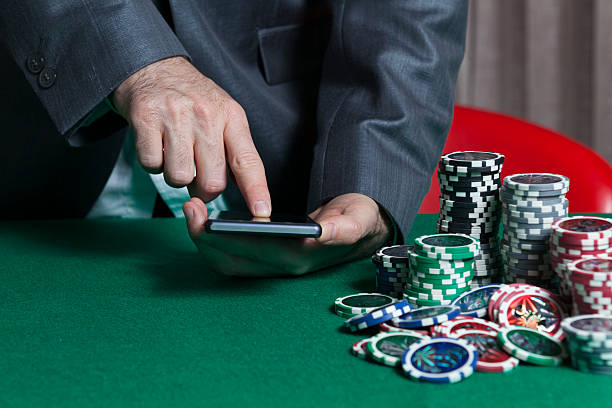
This social interaction can lead to the formation of unique subcultures around gambling. Enthusiasts often share strategies, experiences, and stories, creating a sense of belonging. Such collective behavior can significantly influence local customs and values, as these interactions shape perceptions of risk, reward, and community identity.
The Economic Impact of Gambling on Communities
Gambling can have profound economic implications for communities. The revenue generated from casinos and betting establishments can lead to job creation, infrastructure development, and increased local spending. This economic boost often translates into improved public services, such as education and healthcare, thereby enhancing the overall quality of life for residents.
However, the economic impact of gambling is not solely positive. While some communities thrive, others may experience the adverse effects of gambling addiction, increased crime rates, and social disintegration. Understanding the dual nature of gambling’s economic influence is essential for community leaders and policymakers as they navigate its complexities.
The Psychological Effects of Collective Gambling Behavior
Collective gambling behavior can significantly impact the psychological well-being of individuals and communities. The thrill and shared experience of gambling can elicit strong emotional responses, fostering a sense of camaraderie among participants. However, this shared excitement can also lead to risky behaviors, as individuals may feel pressured to gamble more in a group setting.
Furthermore, the psychological implications of gambling extend beyond the individual. Communities may grapple with the social stigma attached to gambling-related issues, such as addiction and financial distress. By addressing these psychological effects and promoting responsible gambling practices, communities can work towards creating a healthier social environment.
Community Resilience and Gambling Regulation
The resilience of a community in the face of gambling-related challenges often depends on effective regulation and support systems. Striking a balance between promoting economic benefits and protecting individuals from harm is crucial. Communities that establish comprehensive gambling regulations can create environments that encourage responsible gaming while safeguarding their residents’ welfare.
Additionally, community outreach programs and support networks can play a vital role in addressing gambling addiction and its social repercussions. By fostering an atmosphere of open dialogue and support, communities can empower individuals to make informed decisions about their gambling behaviors, ultimately enhancing community resilience.

Explore Engaging Gambling Experiences
If you’re intrigued by the social dynamics of gambling and want to experience the excitement yourself, consider exploring diverse gaming platforms. Many sites offer a variety of gambling options that cater to different interests, from traditional casino games to innovative instant-win experiences.
By participating in these platforms, you can not only enjoy the thrill of gambling but also become part of a vibrant community of players. Engaging in these experiences allows you to connect with others who share your interests and enjoy the rich tapestry of social interactions that gambling fosters.