
Myths and realities of gambling separating fact from fiction
Understanding the Allure of Gambling
Gambling has captivated individuals for centuries, often depicted as a thrilling escape filled with opportunities to strike it rich. This allure is not merely fictional; it stems from the excitement of chance and the potential for significant monetary gain. Many are drawn to the vibrant atmosphere of casinos and the allure of online gambling platforms, believing that luck is just a roll of the dice away. To explore safer options, check out casinos not on gamstop as they may offer different experiences.

However, the reality is more nuanced. While some do win substantial sums, the vast majority of participants will experience losses over time. Understanding the mechanics of gambling—such as house edges and odds—can provide a clearer perspective on the true nature of these activities, which are often misrepresented in popular culture.
Common Myths About Winning
One prevalent myth is that certain strategies guarantee wins in games of chance, like slot machines or roulette. Many players believe that past outcomes can influence future results, leading to the false notion of “due” wins. In reality, each game outcome is independent, and the odds remain the same regardless of previous results. This misunderstanding can lead to irrational betting behaviors and increased financial risk.
Additionally, the misconception that gambling is a reliable source of income persists. While a few individuals may achieve consistent success, such instances are exceptional rather than the norm. The overwhelming evidence suggests that for most, gambling should be viewed as a form of entertainment rather than a viable financial strategy.
The Role of Skill in Gambling
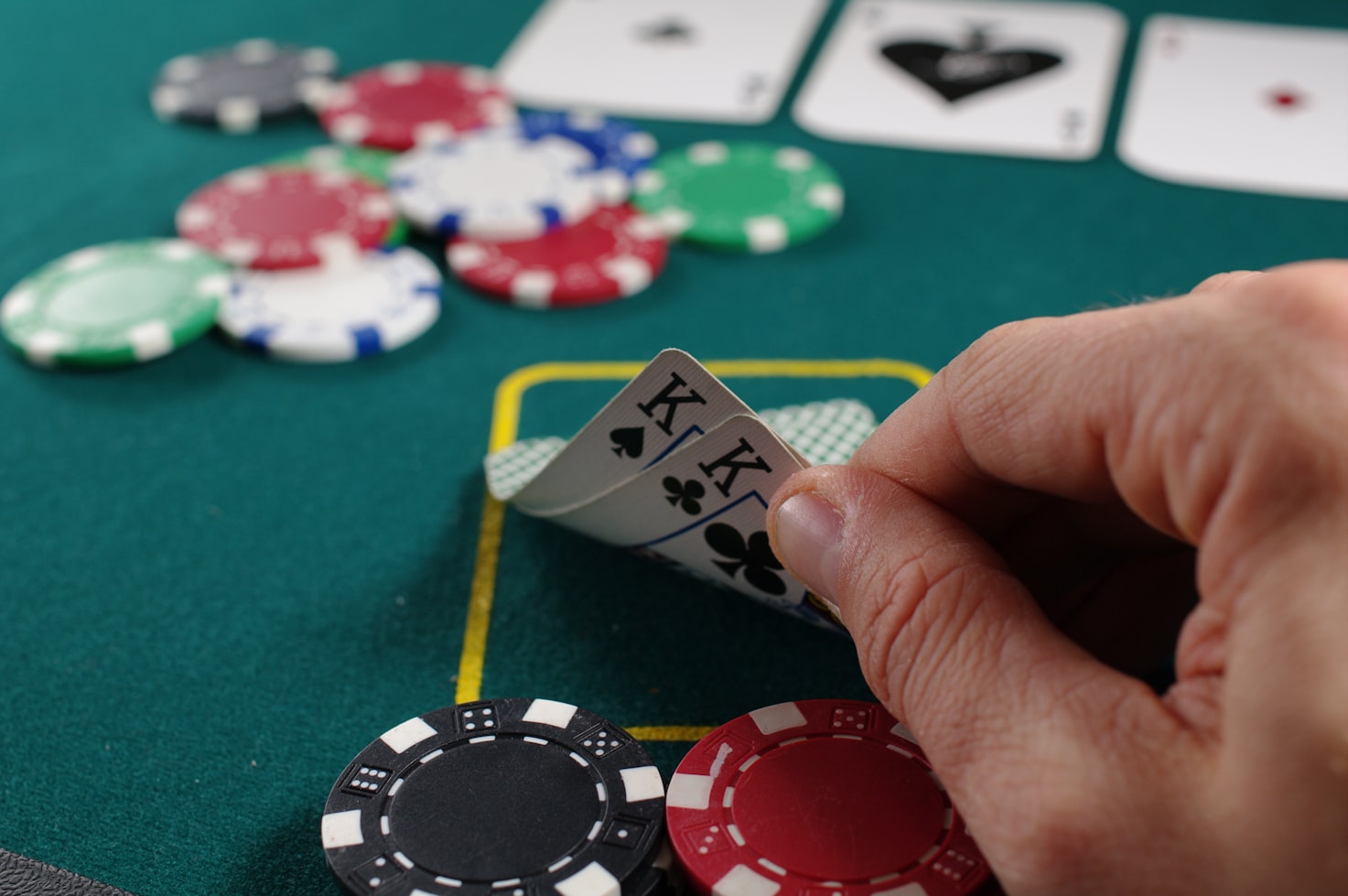
Many believe that skill plays a significant role in gambling, particularly in games like poker or blackjack. While skill does certainly influence outcomes in these games, it’s essential to recognize that luck remains a key factor. Players may develop strategies and improve their skills over time, but they are still subject to the unpredictability of chance.
Moreover, games designed to rely heavily on skill often come with steep competition, making it challenging for amateurs to succeed consistently. Thus, while honing one’s skills can improve a player’s chances, it does not eliminate the inherent risks associated with gambling.
The Social Perception of Gambling
The societal view of gambling has evolved significantly, shaped by culture, media portrayals, and regulations. While some view gambling as a harmless pastime, others perceive it as a dangerous vice that can lead to addiction. This duality can create stigma, causing individuals to either glamorize or demonize gambling without fully understanding the implications.
In recent years, increased awareness of gambling addiction has fostered discussions about responsible gaming. Education about the risks involved and the development of support systems for those affected are crucial in addressing this complex issue. Understanding the social dimensions of gambling can help mitigate its negative impacts while promoting a healthier relationship with the activity.
Ensuring a Safe Gambling Experience
When engaging in gambling activities, whether online or in-person, ensuring a safe experience is paramount. Many platforms prioritize security, implementing measures to protect users from potential threats. This commitment to safety fosters trust and encourages responsible gambling behaviors.
For those who may encounter access restrictions or other challenges, guidance is often available through the platform. This support can enhance the overall experience, ensuring that users can enjoy gambling responsibly. Ultimately, a focus on safety and security can help individuals navigate the complexities of gambling while minimizing risks.